Brampton food safety and professional sanitation experts help you keep dining establishments, commissaries, bakeries, warehouses, and food service vehicles sanitized to standards. They sanitize frequently contacted surfaces, food-contact surfaces, equipment, floors, drains, restrooms, and prep zones using approved chemicals, correct dilution, and documented contact times. in maintaining dining venues, food supply centers, baking operations, warehouses, and food service units in compliance. They sanitize frequently touched areas, food preparation zones, equipment, floors, drains, restrooms, and food handling zones using certified sanitizers, proper dilution, and recorded contact times.
Important Highlights
- Sanitation experts in Brampton work with restaurants, grocery departments, commissaries, warehouses, bakeries, schools, mobile vendors, and allergen-sensitive operations.
- Compartmentalized approaches treat frequently contacted areas, food-contact equipment, kitchens, floors, drains, restrooms, and storage areas for avoiding cross-contamination.
- Proper chemical concentration, appropriateness, and contact time are confirmed by qualified vendors, with finalization filed via swabs, reviews, and correction logs.
- Sanitation calendars should follow hazard, production volume, format changes, accidents, and standards, with routine, regular, and seasonal activities allocated by section.
- Highlight suppliers displaying HACCP, health regulatory knowledge, safety training education, insurance, endorsements, color-coded equipment, and assessment-ready hygiene paperwork.
Food Safety Cleaning Requirements for Brampton Establishments
Food safety cleaning is mandatory for any Brampton facility that manages, stores, prepares, packages, or distributes food. Apply it to your operation if it meets the criteria for public health inspection, food premises regulations, or internal HACCP-based controls. This includes dining establishments, break rooms, distribution centers, market departments, meat shops, fish areas, stores, and food prep kitchens.
You'll also need documented food sanitation in supply facilities, manufacturing operations, cold storage warehouses, bakeries, school food programs, reception halls, and delivery services. Mobile and temporary operations count as well, like food trucks, event sellers, and temporary stalls. When your employees prepare supplies, portion finished foods, reheat items, or manage allergen inventory, your location requires written cleaning standards. In Brampton, hygiene continues to be compulsory; it constitutes legal, operational, and consumer protection compliance.
What Do Brampton Cleaning Professionals Handle?
Professional cleaning services specializing in Brampton disinfect high-contact surfaces, food preparation areas, ground surfaces, and sanitary facilities to satisfy food safety standards and health requirements. Focus on these locations occurs because they pose maximum contamination danger, injury hazards, and possible regulatory violations.
If you grasp what they sanitize, you'll successfully ensure your facility meets required operational and regulatory standards.
High-Touch Surface Cleaning
Skilled Brampton cleaners recognize that high-touch surfaces require sanitizing since these areas hold bacteria, viruses, and food residue. You require a scheduling system for cleaning all high-touch items including handles, plates, switches, railings, control surfaces, POS systems, and refrigeration equipment. Employing contact point analysis, professionals identify every high-traffic point and determine cleaning schedule
in cases where findings are outside target standards. They further avoid cross-contamination via changing wipes, using unidirectional procedures
Cooking Zones, Walking Surfaces, and Restroom Environments
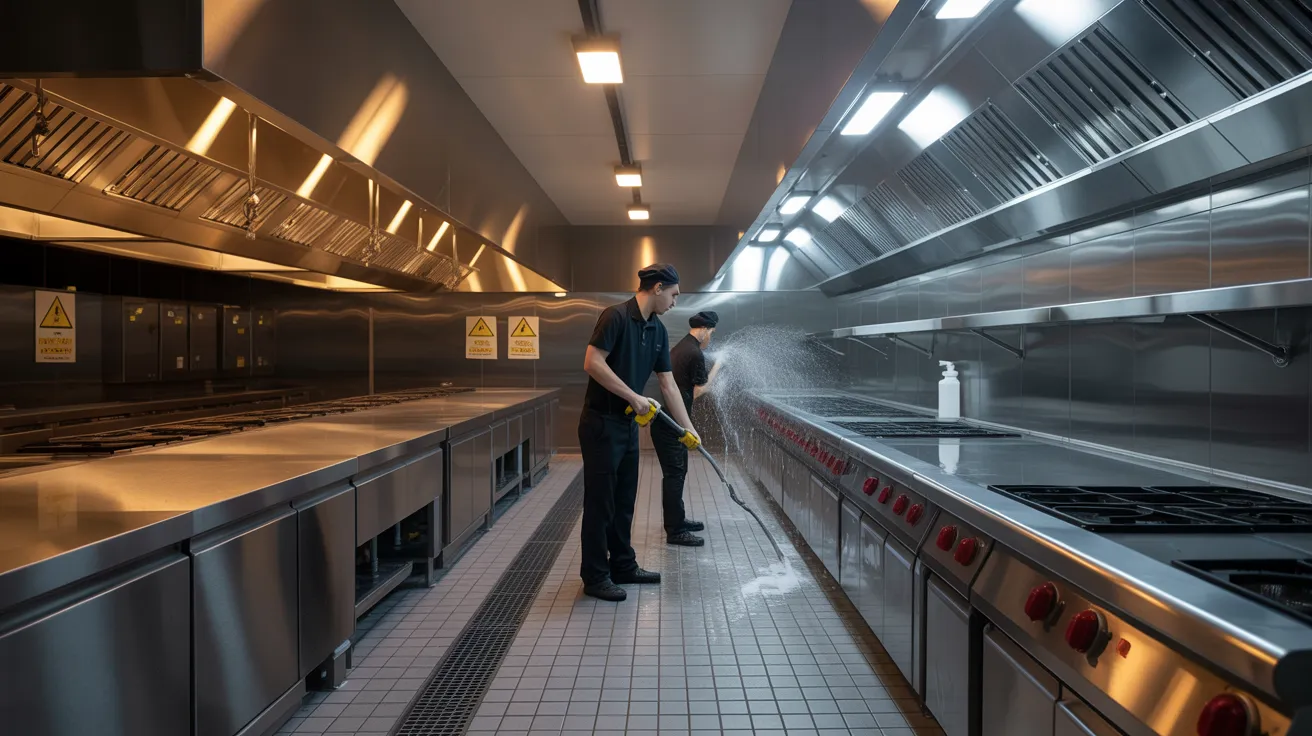
Professional cleaners in Brampton prioritize kitchens, floors, and restrooms given that each location involves specific food safety, falling hazards, and health code requirements. In industrial kitchens, you need degreasing on cook lines, equipment exteriors, drains, prep surfaces, and splash zones to reduce contamination and pest pressure.
Floor care that is documented should also be anticipated. Technicians clean and remove buildup from tile grout, ceramic surfaces, and vinyl floors, then apply suitable dehydration methods so you can limit falls and meet regulatory standards. They also handle entry points where dampness and dirt enter the building.
For restroom sanitation, cleaners disinfect high-touch surfaces, bathroom fixtures, stall dividers, supply dispensers, and trash receptacles, then replenish amenities and manage odor. They also service restaurant moprooms, where chemical storage, sink hygiene, and drainage conditions can affect sanitation compliance and staff safety daily.
Why Food Safety Cleaning Matters in Brampton
To adhere to regulatory mandates and succeed in audits, Brampton establishments must follow food-safe cleaning standards. You also reduce cross-contamination by cleaning and sanitizing food-contact surfaces, equipment, and high-touch areas correctly. Most importantly, you safeguard community wellness by reducing the chance of food poisoning in your establishment.
Sanitary Standards Adherence
Because Brampton food operations operate under strict public health standards, food safety cleaning directly impacts your capability to fulfill health code requirements, safeguard customers, and eliminate enforcement action. You must maintain sanitary food-contact surfaces, written maintenance records, correct sanitizer application, and documented employee protocols that align with municipal and provincial inspection expectations.
During regulatory review of your operation, regulators assess whether your cleaning procedures facilitates safe storage, tool sterilization, garbage disposal, and restroom sanitation. Detailed hygiene logs permit you to prove due diligence during official assessments and prove that your procedures are standardized, repeatable, and documented.
Cross-Contamination Prevention
Following health code standards depends on your ability to prevent cross-contamination in routine food work and sanitation. You must separate raw ingredients from ready-to-eat foods, disinfect work areas after use, and maintain separation of cleaning products from food. Clear procedures reduce transfer risks and promote steady regulatory adherence.
You should establish allergen separation to keep priority allergens from contacting common work areas, storage bins, or tools. Employ separate boards, labeled implements, and careful equipment identification so employees avoid combining products throughout cooking or serving. Mandate washing hands following raw meat, seafood, eggs, or allergen-containing products. Replace wiping cloths regularly, and check disinfectant potency using test kits. When you train staff to follow these controls every shift, you build a more hygienic, secure workplace that meets Brampton's food safety expectations daily.
Public Health Assurance
Should cleaning standards break, you don't simply encounter inspection problems—you expand the odds of contamination-related sickness harming customers, staff, and the wider Brampton community. You also undermine your responsibility in protecting public health, especially in busy food facilities where pathogens travel quickly through surfaces, equipment, and touchpoints.
You require cleaning procedures that eliminate soils, disinfect correctly, and verify outcomes. This requires following contact periods, utilizing approved disinfectants, logging schedules, and instructing staff to meet health-unit expectations. These mechanisms support disease prevention by limiting pathogens before reaching food or hands. Across Brampton, effective sanitation safeguards vulnerable groups, reduces disease potential, and shows your diligence. When you maintain proper protocols, you go beyond requirements—you meaningfully reduce risk and facilitate secure food handling city-wide.
How Does Cleaning Support Food Safety Compliance?
Following comprehensive cleaning schedules enhances food safety compliance by minimizing contamination hazards, preventing pathogen multiplication, and keeping your facility aligned with sanitation requirements under HACCP-based programs and public health regulations. You ensure that contact surfaces appear visibly clean and microbiologically controlled, supporting documented preventive controls and inspection readiness.
Conscientious cleaning moreover strengthens allergen management by eliminating residues that can provoke undeclared allergen exposure. When you integrate verified sanitation methods with regulatory training, your staff can follow consistent approaches, apply approved chemicals properly, fill out documentation properly, and manage variations prior to problems worsen. Systematic cleaning enables audit trails, validates corrective actions, and proves commitment when audited. Moreover, it supports you safeguard product safety, preserve operational compliance, and minimize the possibility of regulatory actions, mass recalls, formal complaints, and unnecessary health dangers.
When Should You Schedule Commercial Cleaning?
high-volume production periods, product switches, spill events
Seasonal deep cleaning needs to be arranged for shutdowns, weather-related soil buildup, or pest-pressure periods
Finding Quality Brampton Cleaning Experts: A Guide
Screen providers initially by their food hygiene standards—not budget alone. You need to verify that every company meets CFIA, public health, and HACCP-aligned expectations for your operation. Demand insurance verification, WHMIS compliance, training records, and management systems. Evaluate technician understanding of cross-contamination risks, chemical safety, and documented sanitation practices.
Additionally, you need to evaluate service dependability and accountability. Obtain references from food facilities in Brampton, then review service speed, corrective measures, and communication practices. Verify the company supports supplier audits and can deliver inspection-ready documentation when inspectors or external parties need proof. Verify equipment is maintained, colour-coded tools are applied correctly, and location-specific dangers are identified. A qualified provider ensures compliance, product quality, and your reputation.
What's included in a Food Safety Cleaning Plan?
Create a written plan that clearly outlines every sanitation duty, guideline, and expectation before production starts. You should document cleaning frequencies, approved chemicals, dilution rates, contact times, tools, and verification methods for each area, section, and machine. Don't forget to add pre-operational inspections, corrective actions, and employee training requirements.
Your plan should also address contamination prevention controls, waste handling procedures, pest management measures, and written schedules for rest areas, drains, flooring, and food-contact surfaces. Detail how you'll separate raw and ready-to-eat processes, facilitate ingredient tracking, and ensure accurate allergen labeling through validated cleaning between product changes. You should assign accountability, maintain signed records, and review results against regulatory standards, HACCP controls, and customer requirements. When gaps appear, modify procedures immediately and retrain staff.
Commonly Asked Inquiries
Will sanitation providers handle nighttime hours at Brampton facilities?
Yes, you can book sanitation coverage to support overnight shifts in Brampton facilities. You'll organize overnight sanitation around operational description windows, security protocols, and staffing levels. Services typically establish overnight logistics to minimize disruption, stay compliant, and track completed work. You should verify response times, management, access procedures, and waste management before starting service.
Can sanitation professionals manage emergency spill response?
Yes, you can expect Brampton cleaning experts who provide hazard containment solutions. They manage hazardous materials, evaluate dangers, isolate affected areas, and begin swift cleanup to reduce exposure and avoid operational disruption. You should verify arrival timeframes, training certifications, PPE protocols, and disposal procedures. If your facility must meet regulatory requirements, select a service that records events, maintains regulatory procedures, and supports audit readiness.
Will environmentally safe disinfectants sanitize safely surfaces contacting food?
Definitely, eco-friendly disinfectants function safely on food-handling equipment if you buy disinfectants approved for food contact that adhere to compliance requirements. You should check contact times, dilution ratios, and rinse protocols in advance of use. Botanical formulations reduce chemical burden, but you should obtain confirmation of performance against target microorganisms. To keep surfaces residue-free, follow manufacturer directions precisely and verify your sanitizer meets applicable food industry sanitation standards.
Will cleaning plans respond to seasonal production changes?
Yes, you can customize cleaning schedules for seasonal variations. You should modify timing, labor allocation, chemicals, and validation steps to fit production rhythms while maintaining regulatory requirements. You'll reduce equipment downtime by scheduling disinfection around production shifts, maximum output, and usage patterns. You should additionally revise procedural documents, staff education, and environmental testing to address periodic risks, additional allergens, or increased soil loads. Ongoing evaluations keep your plan effective.
Do professional cleaners coach your team in sanitation best practices?
Certainly, commercial cleaners train your employees on sanitation best practices. You secure staff training on correct chemical practices, contact times, cross-contamination prevention, equipment disassembly, and documentation. They generally coordinate coaching with HACCP, GMP, and CFIA or regional health bodies standards. Many execute sanitation audits to check standards, identify gaps, and reinforce corrective actions. This enables you to maintain consistent procedures, satisfy audits, and reduce food safety risks daily.
Final Thoughts
By collaborating with Brampton food safety and commercial cleaning professionals, you aren't simply tidying—you maintain your facility compliance-focused and your standards in compliance. From production areas to kitchen zones, every clean surface and organized space reduces pest risk and prevents costly issues. By scheduling cleanings at appropriate intervals and following a documented cleaning plan, you protect your team, clients, and your credibility. In a strictly regulated industry, hygienic conditions must be prioritized—they're key to business compliance.